

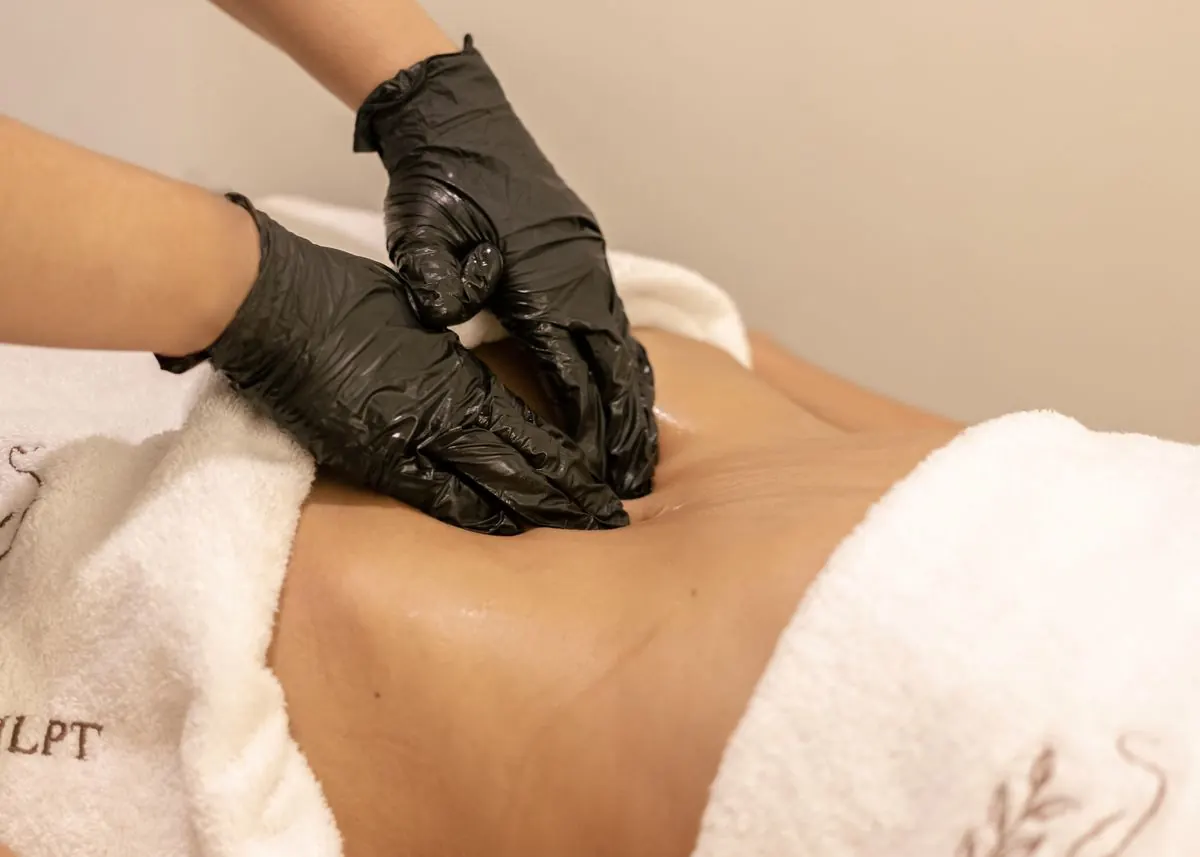
Your lymphatic system works quietly in the background, but you notice it when it slows down: heavy legs, puffy ankles, a swollen face in the morning. While “clogged” isn’t a medical term, it’s a useful way to describe a lymphatic flow that isn’t moving as efficiently as it could.
What does the lymphatic system do?
The lymphatic system is a network of vessels and nodes that collects excess fluid from your tissues and returns it to the bloodstream. It also plays an important role in the immune system. Unlike blood, lymph has no heart to pump it — it moves thanks to muscle contractions, breathing and body movement. That’s why inactivity, heat and long periods of sitting slow it down.
Common signs of sluggish lymphatic flow
- Fluid retention — puffiness that leaves marks from socks, waistbands or rings
- Heavy, tired legs, especially at the end of the day or after a flight
- Swollen ankles and feet, often worse in hot weather
- Bloating and a feeling of fullness in the abdomen
- Morning puffiness around the eyes and face
- Fatigue and a general feeling of heaviness
- Cellulite that looks more visible on days with more retention
What slows the lymphatic system down?
- Sitting or standing for long periods
- Long flights and travel
- Heat and humidity
- Not drinking enough water
- A diet high in salt and processed food
- Lack of exercise
- Hormonal changes
- Tight clothing
How to support your lymphatic system
Move regularly
Walking, swimming, yoga and any activity that engages the calves helps push lymph upwards. Even a few minutes every hour makes a difference.
Breathe deeply
Slow, deep abdominal breathing creates pressure changes that help lymph circulate through the torso.
Stay hydrated and eat fresh
Drink water throughout the day and reduce salt and ultra-processed food.
Elevate your legs
Lying down with your legs raised for ten minutes helps relieve heaviness at the end of the day.
How lymphatic drainage helps
Manual Lymphatic Drainage uses slow, precise and rhythmic movements that follow the direction of lymphatic flow. It helps the body move excess fluid, reduces swelling and leaves you feeling noticeably lighter. It’s a gentle, relaxing treatment — ideal after travel, in hot weather or as part of a regular routine.
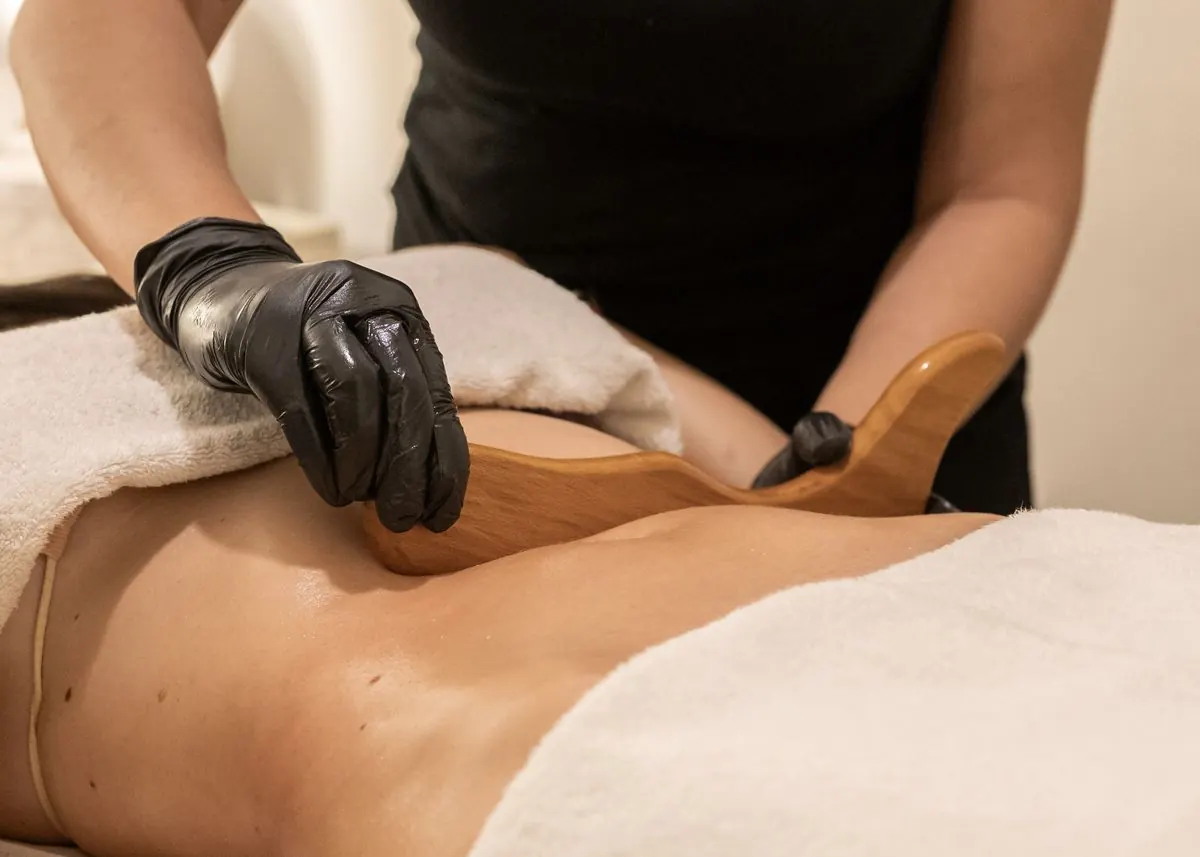
If you also want to work on contour, Brazilian Molding and Wood Therapy combine draining movements with more intense sculpting.
Most clients feel lighter right after a lymphatic drainage session. For ongoing retention, regular sessions combined with healthy habits work best.
When to see a doctor
Occasional heaviness and puffiness are common. Please see a doctor if swelling is persistent, painful or appears suddenly, if only one leg or arm is swollen, if the skin is red and warm, or if you have a history of heart, kidney or circulatory problems. These may need medical attention, and lymphatic drainage should only be done with your doctor’s approval.
Frequently asked questions
How do I know if I have fluid retention?
Common signs include puffiness, heavy legs, swollen ankles and marks left by socks or rings. It often gets worse in hot weather or after long periods of sitting.
Is lymphatic drainage painful?
No. It’s one of our gentlest treatments, performed with slow and light rhythmic movements.
How often should I have lymphatic drainage?
For ongoing fluid retention, one to three sessions a week at the start, followed by maintenance sessions, works well for most people.


Leave a comment or question
Comments are reviewed by our team before being published. Your email will never be shown.